Most practice owners can tell you how many consulting rooms they have.
Far fewer can tell you how effectively those rooms are being utilised.
While room utilisation is often viewed as a simple numbers exercise, experienced healthcare business consultant and practice owner Rakesh Vyasabhattu believes empty rooms are usually a symptom of a much larger issue.
As the Founder of AU Healthcare Consultancy and Botany Road Doctors, Rakesh has spent years helping practices navigate business growth, recruitment, accreditation, clinic acquisitions, operational challenges and patient demand. He also works as an Accreditation Surveyor, giving him a unique perspective on how practices perform across a wide range of settings.
We recently sat down with Rakesh to discuss room utilisation, and why he believes the most successful practices don't simply focus on filling rooms. Instead, they focus on the systems, culture and planning that make sustainable growth possible.
Start with Sessions, Not Rooms
One of the first mistakes Rakesh sees is practices calculating utilisation based solely on room numbers.
An eight-room practice with four doctors may appear to be operating at 50% capacity, but that rarely tells the full story. Instead, Rakesh recommends assessing room utilisation by sessions rather than headcount.
For example, a doctor working three full days a week occupies six sessions, leaving four sessions available. By reviewing room usage session by session, practices can identify unused capacity, opportunities for additional clinicians and whether recruitment is truly required.
However, utilisation isn't just about filling sessions.
"A room may be occupied by a doctor three days a week, but still sit empty for multiple sessions. Understanding those gaps is where the opportunity lies."
Rakesh also encourages practices to look beyond patient volume alone.
"Some practices focus on seeing six or seven patients an hour, but that's not always the best measure of success. A doctor seeing four patients an hour while delivering comprehensive care, preventative health assessments and building strong patient relationships can generate excellent outcomes for both the patient and the practice."
Ultimately, successful room utilisation is about balancing capacity with quality, ensuring every consulting session supports both patient care and sustainable practice growth.
Reasons Consulting Rooms Sit Empty
One of the most practical parts of the discussion was identifying the two most common reasons rooms remain vacant.
- Recruitment Challenges
Many practices simply cannot attract the doctors they need.
Rakesh believes too many practices rely on a single job advertisement and then conclude there are no available candidates.
Successful practices take a multi-channel approach to recruitment and are constantly building relationships with potential candidates.
Many practices underestimate the effort required to attract doctors. Posting a single advertisement and waiting for applications is rarely enough in today's market. Successful practices use a combination of recruitment agencies, online advertising, professional networks, referrals and direct outreach, while continually promoting their practice culture, patient demand and opportunities to prospective candidates.
- Insufficient Patient Demand
Sometimes the doctor is there, but the patients aren't.
According to Rakesh, this often comes back to a lack of proactive patient engagement, preventive health initiatives and local marketing rather than a genuine shortage of demand.
He believes many practices overlook opportunities within their existing patient database. Activities such as recalls and reminders for health assessments, chronic disease management, vaccinations and screening programs can improve patient outcomes while helping fill appointment books.
Beyond existing patients, practices also need to consider how visible they are within their local community. Whether it's through their website, Google reviews, social media presence or community engagement, patients need to know who you are and why they should choose your practice.
Room Utilisation Starts with Patient Retention
One of the strongest themes throughout the conversation was that room utilisation isn't simply about finding more patients.
While attracting new patients is important, retaining the patients you already have is even more critical.
Rakesh argues that practices often underestimate the impact of patient experience on growth.
Simple things like answering phones promptly, creating a welcoming environment, proactive recalls and demonstrating genuine care can significantly influence whether patients stay loyal to a practice.
He also believes practices should focus more heavily on preventive healthcare opportunities.
Rather than waiting for patients to book appointments, practices can proactively engage eligible patients regarding health assessments, vaccinations and chronic disease management programs.
When Should You Recruit Another GP?
One of the biggest mistakes practice owners make is waiting too long.
According to Rakesh, recruitment should begin well before capacity becomes an issue.
His rule of thumb: When doctors are consistently operating at around 70-80% capacity, it's time to start planning for the next recruit.
Why? Because recruitment takes time.
A city practice may need several months to find the right doctor, while rural practices may need significantly longer.
Waiting until capacity has been reached often leaves practices on the back foot, increasing pressure on staff, limiting patient access, and reducing the opportunity to recruit the right doctor rather than simply the next available one.
Always Be Recruiting
One of Rakesh's most practical pieces of advice was that practices should always be recruiting.
Not actively hiring every day but consistently building relationships and maintaining visibility in the market.
This helps avoid the common cycle of:
Doctor resigns → Panic → Recruitment rush → Prolonged/Poor hiring decision
Instead, practices can remain patient and selective, ensuring new doctors align with the culture and values of the clinic.
The Role of Culture in Room Utilisation
Perhaps the most overlooked factors discussed was culture.
For Rakesh, room utilisation isn't just about rooms and rosters. It's about retaining both patients and doctors.
Practices with strong cultures often find recruitment easier, patient retention stronger and growth more sustainable.
Transparency is also critical. When planning to recruit, he recommends discussing intentions openly with existing doctors to avoid uncertainty and maintain trust.
An Overlooked Growth Strategy: Succession Planning
One particularly interesting strategy discussed was working with local solo practitioners who may be approaching retirement.
Rather than waiting for those practices to close, proactive practice owners can start conversations years in advance.
These arrangements can provide:
▸ Additional consulting room utilisation
▸ Increased patient numbers
▸ Smoother succession planning for retiring doctors
▸ Greater confidence for newly recruited GPs who inherit an established patient base
Some of the most successful transitions occur when practices build relationships long before a retirement decision is made.
Key Takeaway
Room utilisation isn't really about rooms.
It's about planning.
Practices that consistently grow tend to focus on five key areas:
▸ Understanding their utilisation data
▸ Start recruiting before they need to
▸ Retaining patients
▸ Retaining doctors
▸ Creating systems that support long-term growth
As Rakesh puts it, practices ultimately have two customers to look after: their patients and their doctors. Get both right, and room utilisation tends to take care of itself.
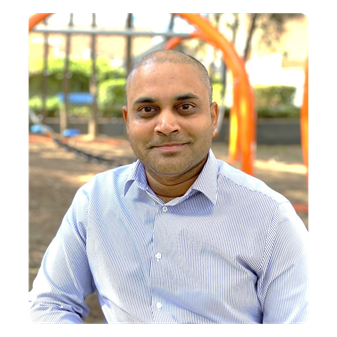
Rakesh Vyasabhattu, Founder of AU Healthcare Consultancy and Botany Road Doctors